
New research indicates Great Lakes sturgeon could exceed 400 years in age, a finding that challenges current conservation timelines built around shorter life spans. The discovery highlights the potential longevity of the region’s largest fish and prompts scientists to reevaluate strategies aimed at recovering sturgeon populations that have long faced extinction pressures.
The study suggests that these ancient fish may far surpass previous estimates of their lifespan, which could extend generations of individuals and alter how populations recover from declines. Researchers are now rethinking how to time protections, habitat restoration, and breeding efforts to align with the species’ extended lifespans and reproductive cycles. The research underscores the importance of long-term monitoring and revised models to accurately reflect the species’ biology.
Experts emphasize that the new lifespan estimates could influence how conservation programs are designed and assessed, particularly for synchronizing restoration with natural life history patterns. The findings come as scientists continue to monitor sturgeon populations in the Great Lakes, where conservation work has spanned multiple generations.
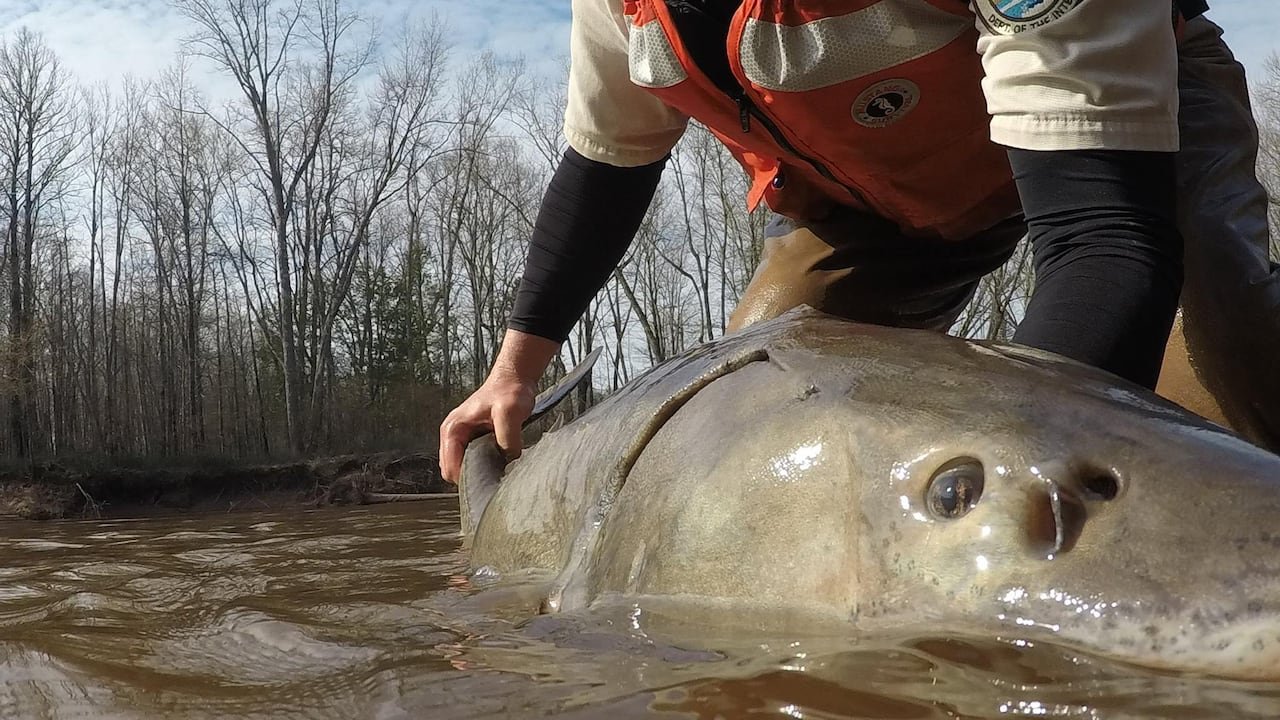
Images accompanying reports show a United States Fish and Wildlife Service worker holding a lake sturgeon, illustrating the scale of the species—the Great Lakes’ largest fish, capable of growing more than two meters long. The evolving understanding of its longevity adds a dramatic twist to efforts to restore a species once brought to the brink of extinction.
While details on the study’s methodology and exact age estimates are not provided in the summary, the implications are clear: longevity may be undercounted, and management plans may need to adapt to a potentially centuries-long legacy. Scientists and conservationists will likely scrutinize how to integrate longer life spans into habitat protection, monitoring, and recovery targets as they press to secure a sustainable future for the sturgeon of the Great Lakes.