
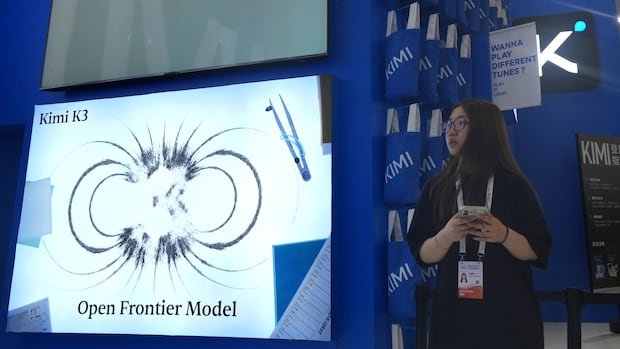
Moonshot’s Kimi K3 positioning has drawn attention at international tech gatherings, including high-profile conferences where industry peers assess the model’s potential for business applications and risk management. Proponents argue that open-weight models enable quicker adaptation to niche domains, custom workflows, and compliance requirements by granting developers access to the underlying parameters for direct modification.
However, the approach also raises security and safety concerns. Critics caution that open access to model weights could increase the risk of misuse, including the deployment of AI for disinformation, fraud, or other illicit activities. Some technology leaders have publicly urged balanced consideration, emphasizing responsible deployment and robust governance to mitigate such threats while preserving innovation.
Analysts note that the Kimi K3 release may act as a stress test for enterprise adoption of open-weight AI. Businesses evaluating the technology will weigh the cost advantages and customization potential against the need for security measures, monitoring, and accountability frameworks. The development also invites discussion about regulatory expectations, particularly in sectors such as finance and healthcare, where data handling and model transparency are closely scrutinized.
As Moonshot markets Kimi K3 to global audiences, the industry watches whether open-weight models can deliver scalable performance across diverse use cases. If the model proves adaptable while maintaining safeguards, it could accelerate a broader shift toward customizable AI tools in enterprise environments, beyond the limitations of closed architectures.